Blog
Review Of The 2010 London International Stamp Exhibition: A Cultural Feast For Philatelists

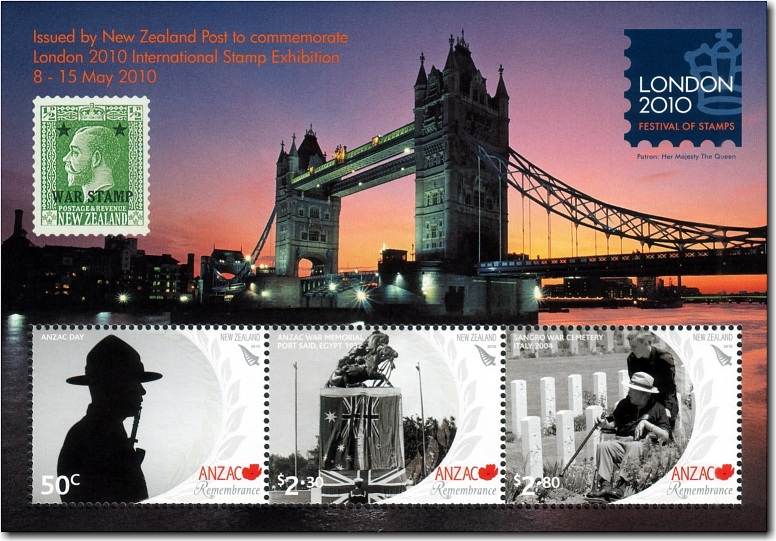
The London 2010 International Stamp Exhibition ran from May 8 through May 15 at the Business Design Centre in Islington, London, as a major event within the wider London 2010 Festival of Stamps.
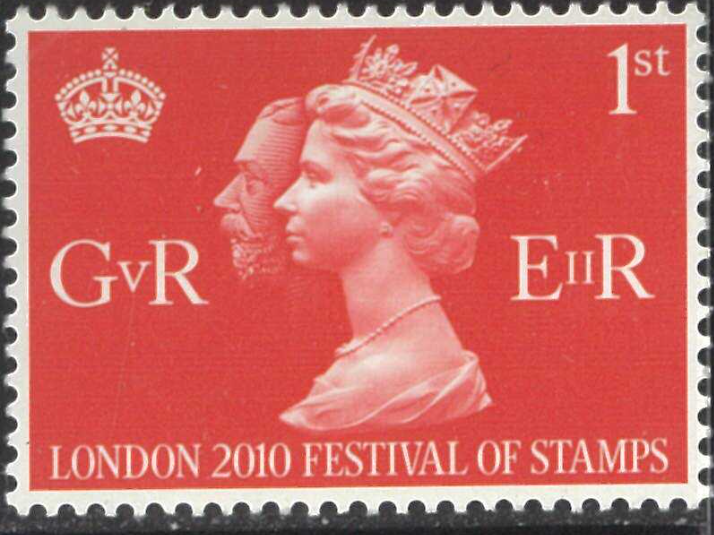
A historical review
Competitive exhibits, postal administrations, specialist societies, dealers, auctions, and scheduled talks made it both an exhibition and a working marketplace for philately. The event operated with Fédération Internationale de Philatélie patronage. Its competition frames were divided between the first four and final four days so that more collections could be shown in the Business Design Centre.
This review is reconstructed from contemporary institutional and specialist reports rather than presented as an unverified first-person visit. That distinction matters because claims about what was displayed, awarded, or heard on the floor should be traceable to an event program, jury result, exhibitor report, or named observer.
One documented London 2010 exhibit was Alan Holyoake’s The First Line Engraved Postage Stamp, which received the Grand Prix d’Exposition according to the Fédération Internationale de Philatélie’s Grand Prix Club. The British Thematic Association’s pre-show program also named thematic entries including Sheila Foster’s The Rose and John Hayward’s The Iron Steed. Those program listings identify intended exhibits; the Grand Prix record confirms Holyoake’s award.
The National Postal Museum’s contemporary report adds a wider Festival of Stamps perspective. Its visiting collections specialist described the Business Design Centre’s dealer floor and separate exhibit area, and also attended a British Library tour of its philatelic collections during the London show. The British Library tour was a related citywide event, not an exhibit inside the competition hall. The separate Empire Mail: George V and the GPO exhibition at Guildhall Art Gallery was another Festival event, not a Business Design Centre display.
What the venue enabled
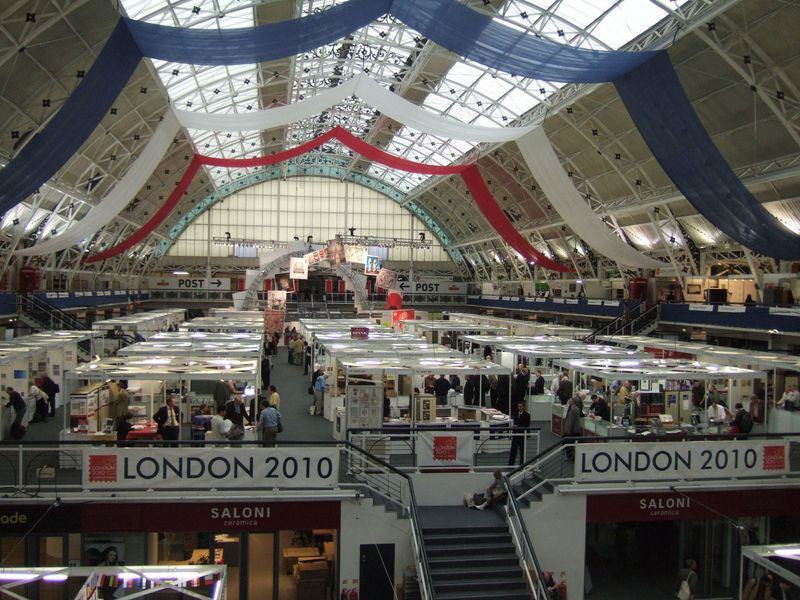
The Business Design Centre brought competitive frames, society stands, postal administrations, and commercial dealers into one London venue. Holyoake’s award-winning study of early line-engraved postage stamps illustrates the depth of the judged displays; the dealer floor offered a different experience, where visitors examined material for sale. The National Postal Museum’s account confirms that the exhibits and dealers occupied different areas of the Centre. A visitor could move between them without treating every booth, sale, or conversation as part of the formal competition.
How the exhibition worked
| Layer | What visitors encountered | Best evidence |
|---|---|---|
| Competitive exhibits | Judged displays, including Holyoake’s prize-winning line-engraved stamp study | Grand Prix record, palmares, and exhibitor reports |
| Society meetings and talks | Specialist education and member activity at the Centre | Published schedules and society reports |
| Dealers and auctions | Commercial offers and transactions on the show floor | Named catalogs, lots, conditions, and realized prices |
| Related Festival venues | British Library collection tours and Empire Mail at Guildhall Art Gallery | Institutional accounts; these were outside the competition hall |
These layers explain why the event was both a cultural exhibition and a working philatelic marketplace. They also prevent a dealer anecdote from being presented as a competition result or an official exhibition conclusion.
Sources
Key facts were checked against the National Postal Museum exhibition report; British Thematic Association’s March 2010 London program (pp. 29-30); the FIP Grand Prix Club’s London 2010 award record; and the Postal Museum and Archive’s Empire Mail record.