Blog
USPS Flower Stamps: Denominations and Wedding Invitation Uses

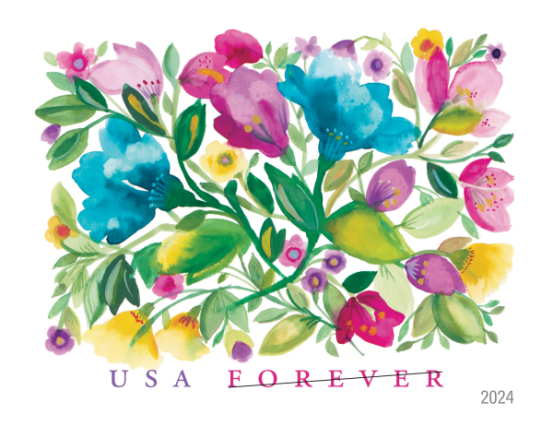
USPS flower designs appear on stamps with fixed low denominations, one-ounce Forever value, and Two Ounce category value. The flower subject does not determine the postal function; the printed value or category and the finished mailpiece do.
Examples by postal function
The words “Two Ounce” identify a rate category: an unused stamp retains the current value of that category even after the original 71-cent sale price changes.
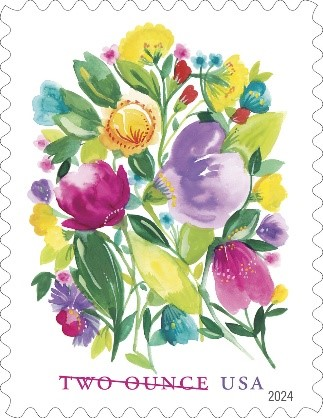
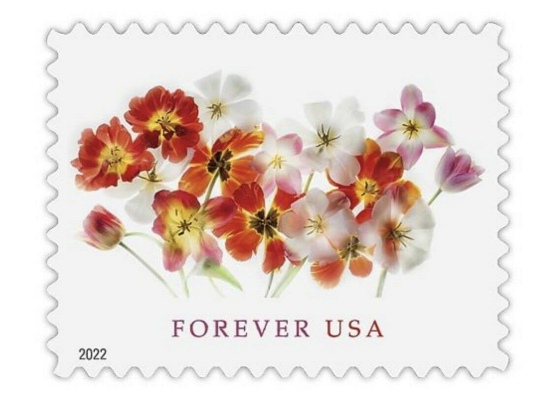
The table below is a selection of representative issues, not a complete catalog of USPS flower stamps. USPS identifies the five 2024 Low Denomination Flowers as 1-, 2-, 3-, 5-, and 10-cent designs; they can complete an exact postage total without dominating an envelope. Garden Delights and Dahlias provide larger floral designs at the one-ounce Forever value; Vintage Tulip and Yes, I Do! combine invitation-oriented imagery with the Two Ounce rate category. The occasion suggests a design, but the inscription determines its postal role.
Invitations and unusual envelopes
Assemble one sample and use the USPS price calculator or a Post Office. Check the current price on the mailing date because weight and nonmachinable charges can change independently.
For example, a rectangular domestic invitation weighing more than one ounce but no more than two ounces may fit the Two Ounce category if it otherwise meets machinable letter standards. The same weight in a square, rigid, unusually thick, or uneven envelope can add a nonmachinable charge or fall outside ordinary letter preparation. Record the date and characteristics before choosing a stamp combination.
At the domestic letter prices effective July 12, 2026, a flexible rectangular 1.3-ounce invitation would require 82 cents for the first ounce plus 29 cents for the additional ounce, or $1.11. If the same contents were repacked in a square envelope that remained eligible as a letter, the 49-cent nonmachinable surcharge would bring the example to $1.60. These dated calculations show why a floral design cannot replace measurement and a current price check.
To pay the $1.11 example while keeping a floral stamp on the envelope, a sender could combine one unused floral Forever stamp with a stamp marked “Additional Ounce.” USPS’s 2015 Penguins Additional Ounce stamp is a documented example of that rate-category stamp, but it is not a flower design. Its postage value follows the additional-ounce category at the time of mailing; it does not by itself pay the full two-ounce letter price.
Clear terminology
An issue series is a group of related stamp releases. Using a low-value stamp to make up a postage difference is a separate postal function.
Quick comparison
| Issue | Issue date | Printed value or category | Typical role |
|---|---|---|---|
| Fringed Tulip | 2024 | 1 cent | Exact make-up postage |
| Daffodils | 2024 | 2 cents | Exact make-up postage |
| Peonies | 2024 | 3 cents | Exact make-up postage |
| Red Tulips | 2024 | 5 cents | Exact make-up postage |
| Poppies and Coneflowers | 2024 | 10 cents | Exact make-up postage |
| Garden Delights | 2024 | Forever | Current one-ounce letter value |
| Dahlias | 2025 | Forever | Current one-ounce letter value |
| Vintage Tulip, original issue | Feb. 14, 2015 | 70 cents | Fixed-denomination postage worth 70 cents |
| Vintage Tulip, Two Ounce issue | June 1, 2015 | Two Ounce; initial price 71 cents | Current two-ounce letter rate category |
| Yes, I Do!, Two Ounce reissue | June 1, 2015 | Two Ounce; initial price 71 cents | Current two-ounce letter rate category |
A floral picture does not determine postal value. Read the printed number or rate inscription first, then calculate postage for the completed mailpiece.
The two Vintage Tulip rows are separate because the February stamp bears a fixed 70-cent denomination, while the June stamp bears the nondenominated “Two Ounce” wording. Similar artwork does not make their postal values interchangeable.
Sources
Key facts were checked against the USPS Low Denomination Flowers release; the Vintage Tulip announcement; the Yes, I Do! announcement; the USPS Additional Ounce category explanation; the USPS price calculator; and USPS letter standards.