Blog
Stamp Epic: The Intersection Of Pacific Railroads, Chinese Laborers, And The U.S. Postal Service

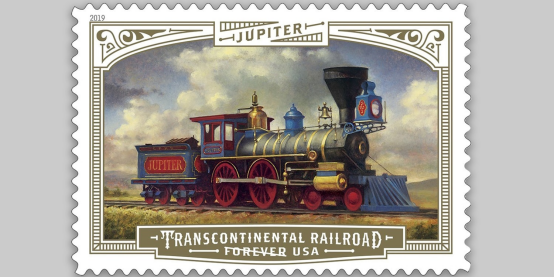
Chinese workers were central to construction of the Central Pacific portion of the transcontinental railroad. That history is essential context, but it must not be described as visible on a stamp unless the design actually depicts it.
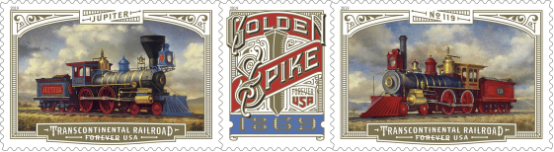
What the 2019 stamps show
The USPS 2019 Transcontinental Railroad issue uses three designs centered on the Jupiter locomotive, locomotive No. 119, and the golden spike. The historical role of Chinese laborers is context for the railroad story; it is not automatically a person or scene shown in those designs.
Thousands of Chinese workers built the Central Pacific line through the Sierra Nevada, performing dangerous grading, tunneling, and track work. Their labor is part of the documented history leading to the 1869 joining of the Central Pacific and Union Pacific at Promontory Summit, even though the 2019 stamps focus visually on locomotives and the spike.
Historical interpretation
The National Park Service at Golden Spike National Historical Park and Library of Congress railroad collections provide identifiable records for the railroad, labor, and completion ceremony.
The completed rail connection also changed postal operations. In a USPS historical comparison of New York–San Francisco mail, the 1869 transcontinental-railroad entry is seven days and two hours; earlier mixed rail-and-stagecoach routes in the same chart took weeks. This is a route-and-period comparison, not a guaranteed transit time for every 1869 letter. As railroads expanded, Railway Mail Service clerks sorted letters aboard moving cars so mail could be exchanged before a train reached its terminal. The 2019 stamps do not depict a mail car, but this named postal link explains why the railroad belongs in postal history without implying that Chinese workers appear in the designs.
That separation improves interpretation: the stamps commemorate the railroad’s completion through selected machines and an object from the ceremony, while historical records restore the people and work absent from the small designs. The visible omission can be described as an observation about the finished stamps; without a statement from the designers, it should not be presented as proof of why they made that choice or rewritten as an image that is not actually there.
Sources
Key facts were checked against USPS Stamp Announcement 19-16, which identifies the three designs, pane format, date, and first-day location; National Park Service: Golden Spike; the Library of Congress railroad-map collection; USPS: An American History for the 1869 mail-time figure; and the National Postal Museum history of mail by rail.