Blog
Sustainability and U.S. Stamp Production: What the Evidence Shows

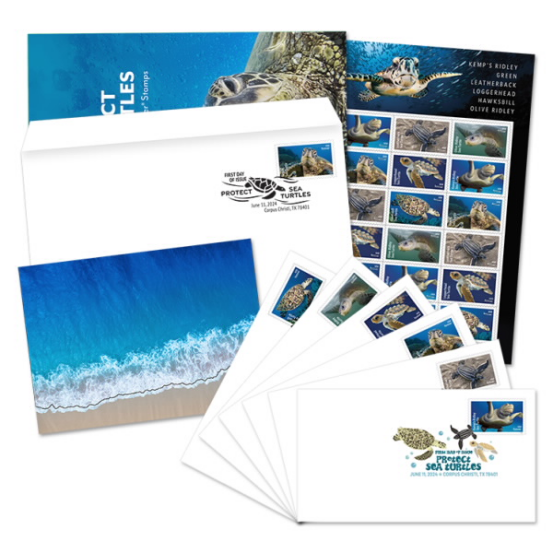
USPS reports environmental work across facilities, vehicles, purchasing, recycling, and packaging. Those organization-wide measures do not prove that every individual stamp uses recycled paper, plant adhesive, or a particular ink.
What USPS documents
The fiscal 2024 metrics below describe USPS operations and packaging. The packaging measures were newly tracked that year, so none of the percentages should be read as a material specification for an individual stamp.
| Fiscal 2024 metric | Reported value | What it describes |
|---|---|---|
| Waste diversion | 66.4% | USPS operating waste kept from disposal |
| Renewable electricity | 11% | Share of USPS electricity use represented by renewable electricity |
| Packaging recycled content | 62% | Organization-level packaging metric first tracked in fiscal 2024 |
| Package recyclability | 60% | Organization-level packaging metric first tracked in fiscal 2024 |
| Scope 1 and 2 emissions | 0.7% below fiscal 2021 baseline | Direct operations and purchased-energy emissions |
| Scope 3 emissions | 25.1% below fiscal 2021 baseline | Other value-chain emissions within the report’s accounting scope |
All values in the table come from the USPS 2024 Impact Report and share its fiscal-year scope.
Vehicle electrification, facility energy, transportation, waste, water, and procurement are tracked as organization-wide programs. The table keeps the reported emissions changes tied to the fiscal 2021 baseline used by USPS.
The dedicated 2024 Impact Report is dated August 2025 and reports fiscal 2024 data. The fiscal 2025 Annual Report to Congress adds current program goals and broader operational discussion, including emissions, renewable energy, packaging, waste diversion, and fleet modernization, but it still does not provide a material specification for each stamp issue.
Report availability was checked on September 27, 2026. The table therefore labels its figures as fiscal 2024 results and uses the fiscal 2025 Annual Report only for later organization-level context. A newer publication should replace these figures only when it supplies comparable definitions and reporting periods.
These are measurable operating initiatives concerning the postal organization and its targets.
A more accurate framework
A product-level claim needs a dated specification, contract, printer statement, or certification for that issue. Until such a record is available, recycled content, soy ink, plant adhesive, FSC status, and renewable-energy printing remain unconfirmed for that stamp.
A nature subject or a “green” marketing theme is not a manufacturing certification. A named third-party certification would still need to state exactly which material, process, printer, or issue it covers.
Sources
Key facts were checked against USPS sustainability information; the USPS 2024 Impact Report, especially its fiscal 2024 performance metrics; and the USPS fiscal 2025 Annual Report to Congress, especially the sustainability goals summarized on page 23.