Blog
The Postal Service And The American Founding: The Communications Revolution From Franklin To The Constitution


Benjamin Franklin held different postal roles under different governments. The 1753 colonial appointment and the 1775 Continental Congress appointment should not be merged or described with the same institutional title.
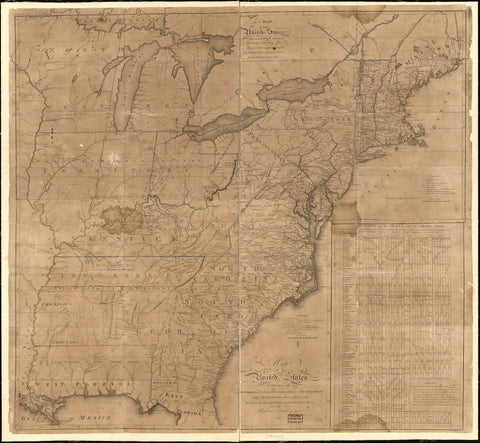
Two distinct appointments
In 1753, the British Crown appointed Franklin and William Hunter as joint deputy postmasters general for the colonies. On July 26, 1775, the Second Continental Congress appointed Franklin Postmaster General of the united colonies. The later national role should not be projected backward onto the British colonial system.
Article I, Section 8 of the Constitution later gave Congress power to establish post offices and post roads, placing a national postal network within the federal framework.
Congress put that constitutional power into a durable statutory structure with the Post Office Act of February 20, 1792. The act continued the Post Office, defined a network of post roads, set postal rules and rates, and helped move the service from its Revolutionary-era framework into the new federal government.
Communication and political change
Postal networks carried newspapers, correspondence, official instructions, and political arguments among colonies and states. The Continental Post provided Congress and the revolutionary cause with a communications structure separate from British administration.
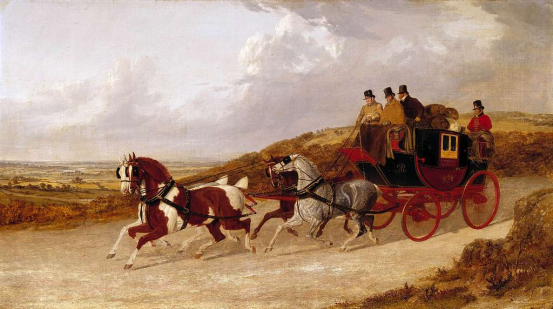
The July 26, 1775, congressional resolution supplies a concrete network example: it directed a line of posts from Falmouth in New England to Savannah in Georgia, allowed cross posts, and set organizational and rate provisions. Franklin’s 1775 rate tables list individual post offices and the charges between them. Those operating records show a communication system with routes, offices, prices, and accounting—not merely a later symbolic claim that mail helped unite the colonies.
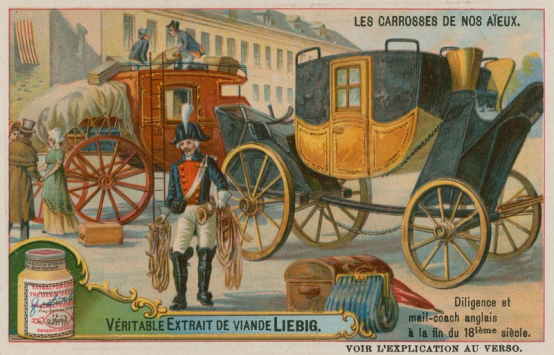
Franklin’s importance lies in administrative reform and institutional continuity, not in an untraceable inspirational quotation or an invented delivery scene.
Sources
Key facts were checked against USPS postal history; the July 26, 1775, Journals of the Continental Congress; the USPS transcription and source guide for Franklin’s 1775 rate tables; the U.S. Constitution at the National Archives; and the National Postal Museum record for the 1792 Post Office Act.